
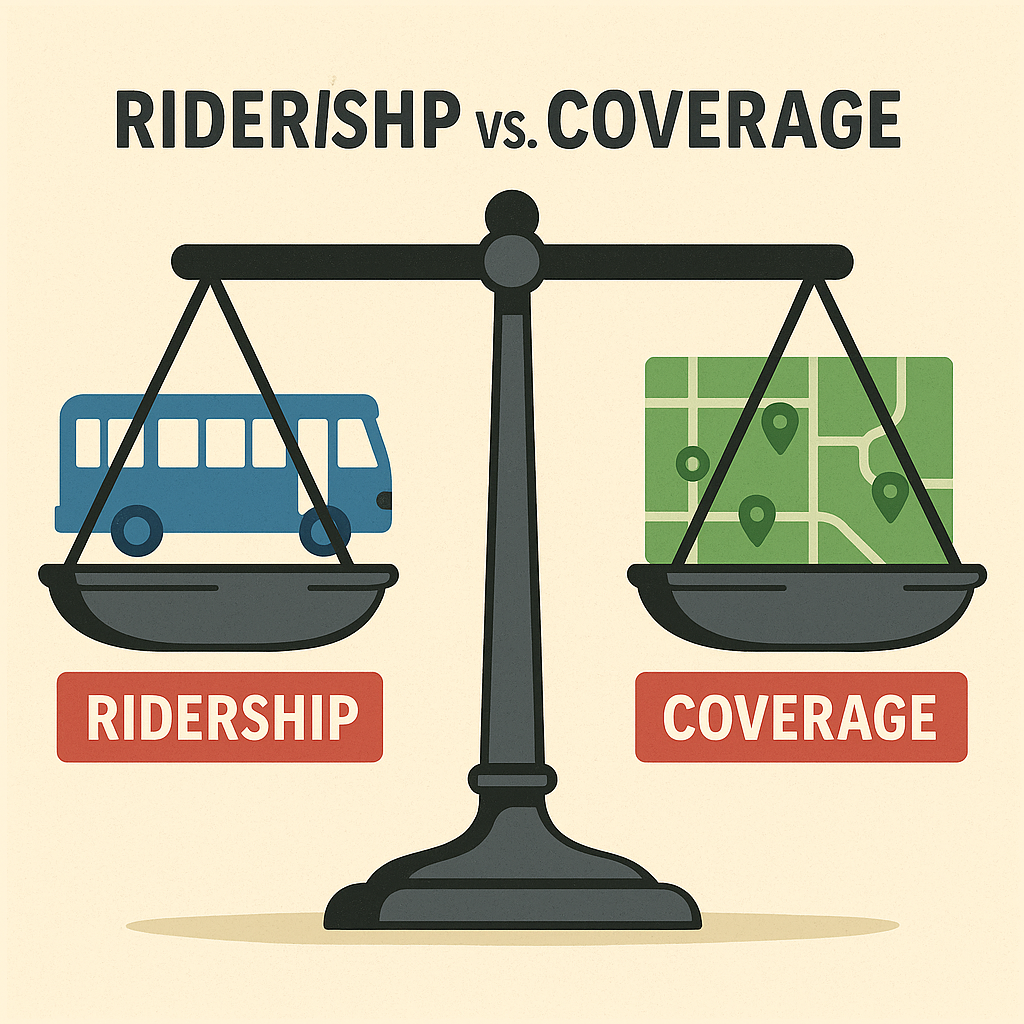
Designing a bus network always involves trade-offs. One of the biggest is between ridership and coverage — and every transit agency must choose how to balance the two.
A ridership-focused network aims to put frequent service where the most people are. That means:
This model helps reduce traffic, supports economic growth, and cuts climate emissions — but it leaves some areas without service.
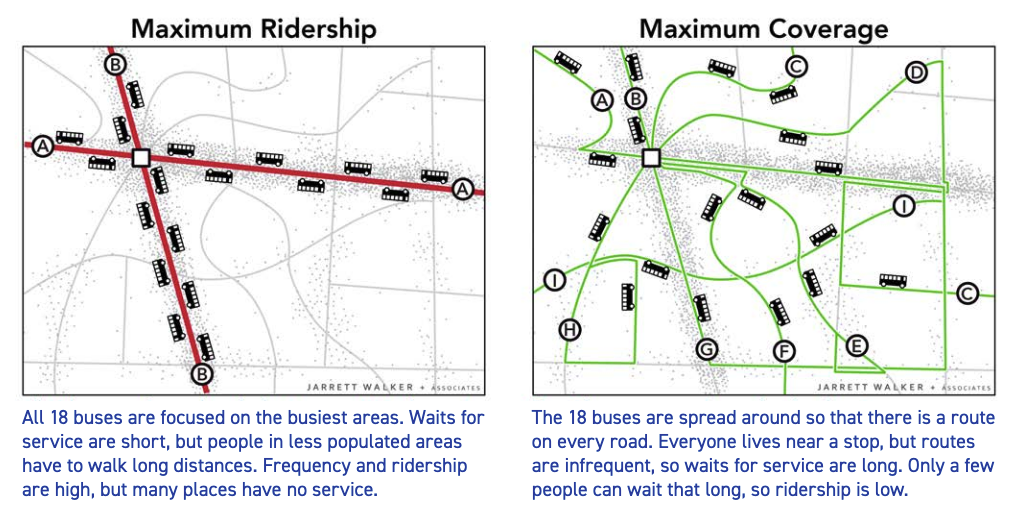
A coverage-focused network spreads service out so that more places have access — even if it’s not frequent. That means:
Coverage is essential for equity, especially for people with few or no other transportation options.
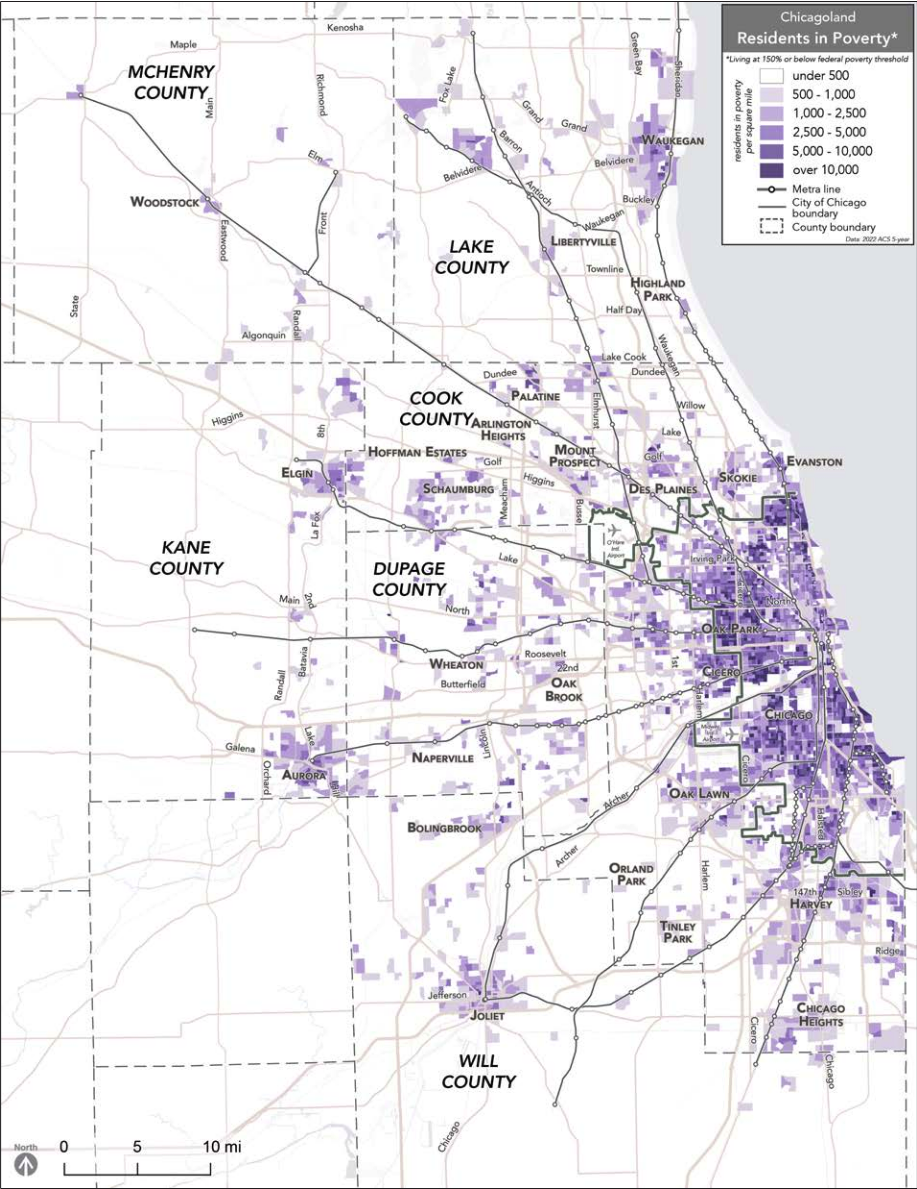
Most agencies — including Pace — aim to do both. The question is: how much of the budget should go to each?
The ReVision project shows what each approach could look like under full funding. In the “Plus 50” scenarios:
These are policy choices, not just technical ones. And different communities may need different balances. ReVision helps clarify what’s possible — and what each choice means for riders.
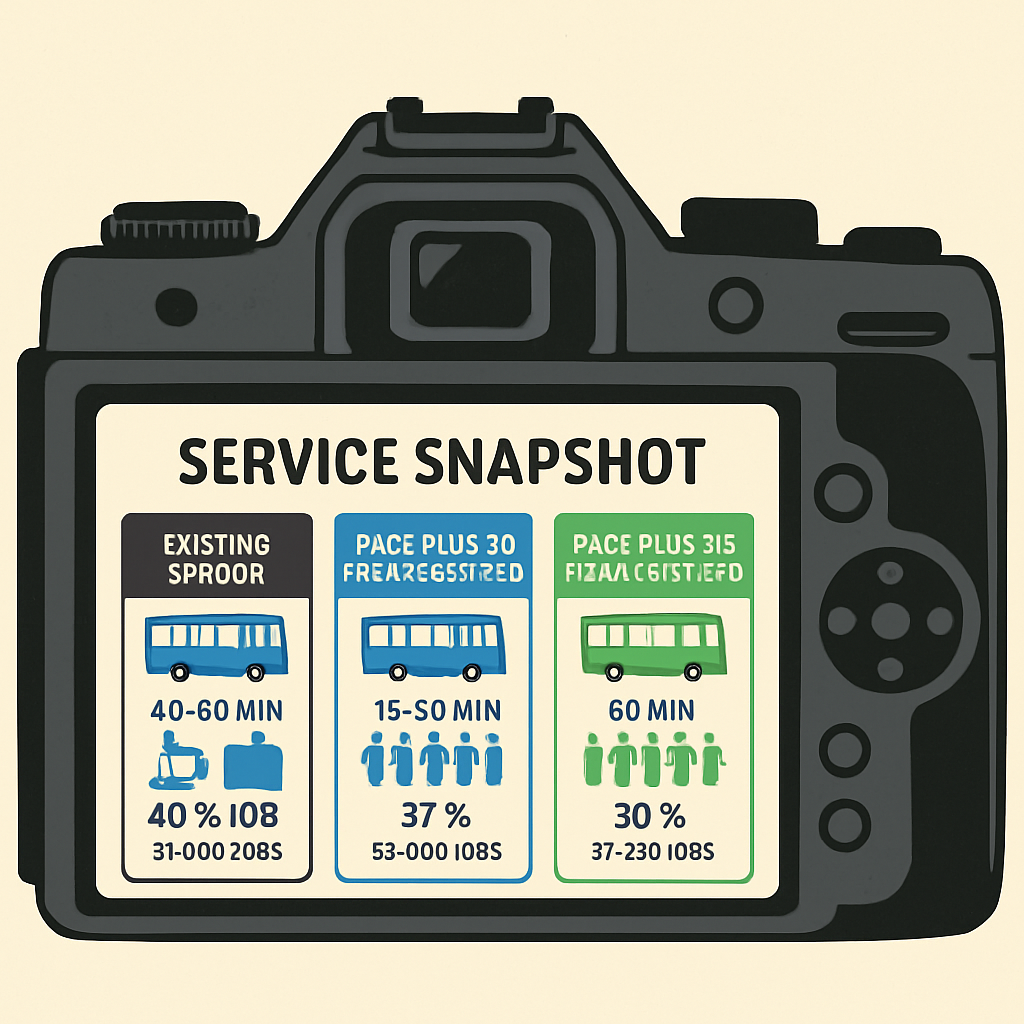
Each funding scenario leads to very different outcomes — in how often buses come, how many people live near service, and how many jobs riders can reach.